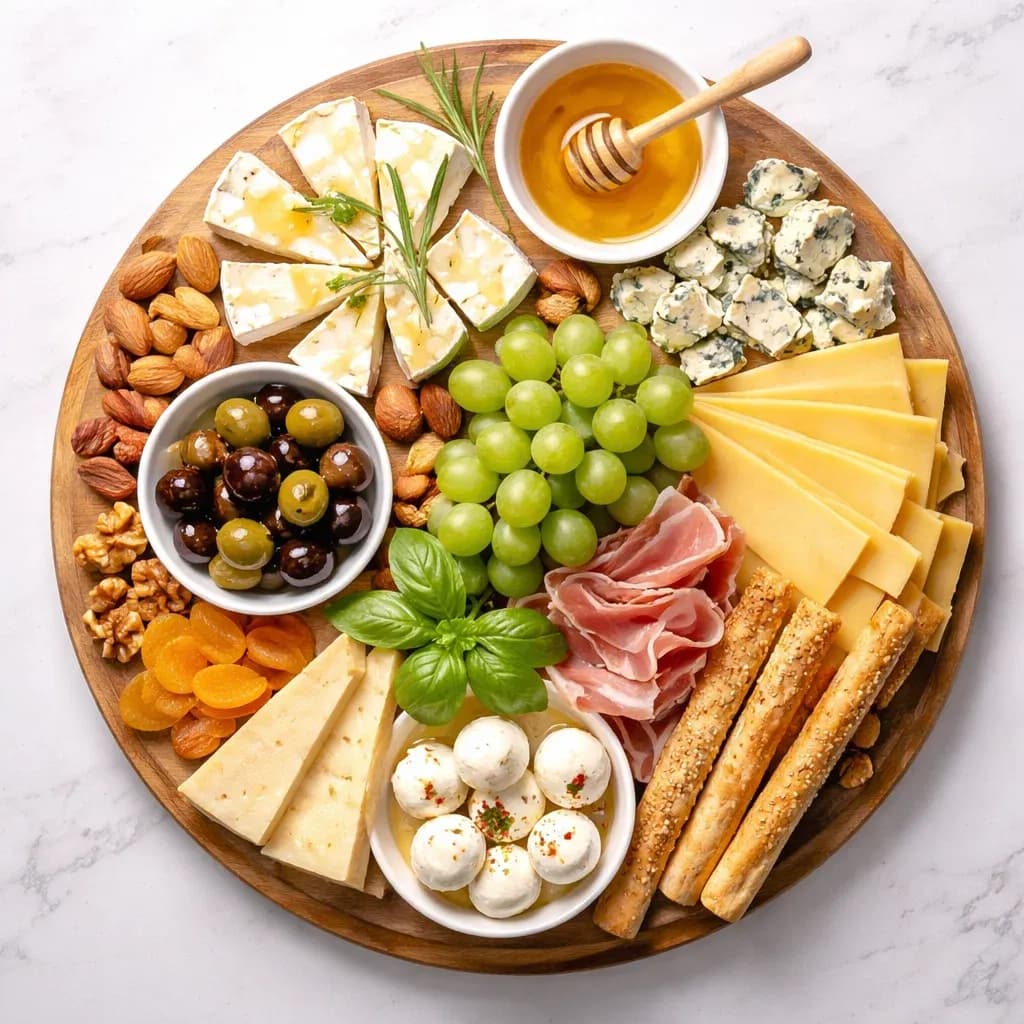
From the ridge of Pratomagno down into the Casentino: raviggiolo, pecorino del Casentino and abbucciato aretino, the cheeses of shepherds and woodlands that tell the story of this corner of Tuscany.
A mountain of pastures, today of woodlands
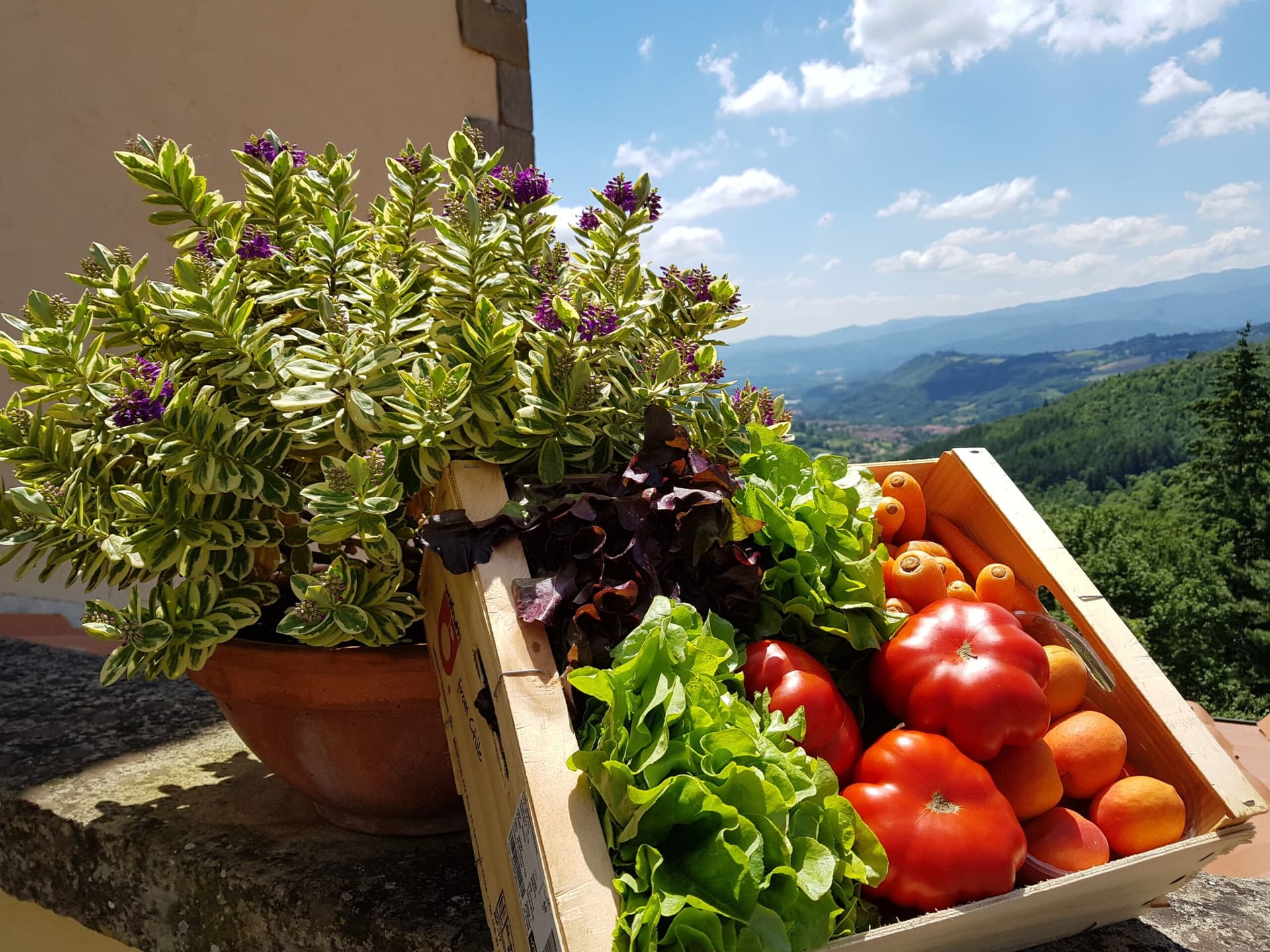
The Pratomagno is a long ridge separating the upper Valdarno from the Casentino, north-west of Arezzo. It is bounded to the east, south and west by the Arno, and its slopes are shared among eleven municipalities in the province of Arezzo — including Poppi, Talla and Loro Ciuffenna — and four in the province of Florence. The highest peak is Monte Pianellaccio, at 1,592 metres, beside the Croce del Pratomagno.
Sheep grazing was once widespread at the middle altitudes. Today, as Wikipedia explains, much of it has given way to woodland, partly because of reforestation carried out around 1960 with Douglas fir, and only a residual mountain pasture remains on the summit, among heaths of calluna, heather, broom and juniper. What survives of this pastoral tradition, however, are the cheeses: the ones you find on the table in the Casentino, on the side that looks towards Pratovecchio Stia.
An honest clarification: in the official sources we consulted there is no cheese with «Pratomagno» in its name. The cheeses we speak of here belong to the tradition of the Casentino and the Arezzo area, and the Pratomagno is their backdrop, not their brand.
Raviggiolo, a winter cheese
Raviggiolo is a fresh soft cheese typical of the Tuscan-Romagnol Apennines: a rounded form 3–4 centimetres high, with white paste and a sweet, delicate, slightly buttery flavour. It is made by adding rennet to the milk — traditionally raw, today usually pasteurised; the curd is left to drain without being broken, on mats or in baskets, or else between fern, fig or cabbage leaves.
It should be eaten soon: according to the Parco Nazionale delle Foreste Casentinesi it keeps for four or five days at most, and production is concentrated between October and March. It is usually served on a sprig of fern and is today made mainly with cow's milk.
Its history is an ancient one: the first record dates to 1515, when the Magistrato Comunitativo of Bibbiena offered Pope Leo X raviggioli in a basket lined with ferns. Pellegrino Artusi mentions it too, as an ingredient in cappelletti alla romagnola. Among the municipalities where it is made, the Park lists Poppi, Bibbiena, Chiusi della Verna, Pratovecchio and Stia.
Pecorino del Casentino
Pecorino toscano del Casentino is made from the milk of the Apennine sheep, and is described by the Park as one of the oldest and finest Tuscan cheeses. The milk is coagulated over the fire with rennet from a newly weaned lamb and flavoured with herbs from the mountain clearings. The curd is worked with a beechwood tool made by local craftsmen, matured in a wooden container called a «cacina» and then aged on pearwood boards in a dry place.
Traditionally it is made in spring: it can be eaten fresh after a month, or left to age until the end of October. Fresh, it is delicious pan-seared; aged, it is enjoyed cold or grated. The area indicated by the Park includes Bibbiena, Chiusi della Verna, Poppi, Pratovecchio and Stia.
Abbucciato aretino
Raw-milk «abbucciato» pecorino is another cheese of the area, typical of the Arezzo countryside, the Casentino, the Valtiberina and the Valdarno. According to Visit Tuscany its origins are ancient: Camaldolese texts from the 11th century record its use by the monks of the Casentino hermitage. The name comes from the well-formed rind (buccia) that develops after about 20 days. It rests on fir boards, then ages in a cellar at 12 degrees, turned twice a day and brushed every three days; it is sold after 30 days, fresh, or after 60, aged. The paste ranges from milky white to straw yellow, and the flavour is at first sweet, then slightly bitter and sharp. There is a consortium, the Abbucciato Aretino.
The list of traditional Tuscan agri-food products includes both «Pecorino del Casentino» and «Pecorino a latte crudo abbucciato». Visit Tuscany describes the abbucciato as being at risk of decline: one more reason to taste it whenever you come across it.
In Pratovecchio Stia, beyond cheese
Pratovecchio and Stia merged into a single municipality in 2014, each keeping its own identity. Alongside the cheeses, Visit Tuscany lists among the local products chestnut honey, brown trout, the Pinot Noir grown between Pratovecchio and Poppi, and Calcedonia water, which flows from the springs below Monte Falterona. For a complete taste of it all, you need only a board of fresh and aged cheeses, a little chestnut honey and a glass of local wine.
<!-- sources: https://it.wikipedia.org/wiki/Pratomagno, https://it.wikipedia.org/wiki/Raviggiolo, https://www.parcoforestecasentinesi.it/it/vivi-il-parco/prodotti-tipici/il-raviggiolo-0, https://www.parcoforestecasentinesi.it/it/vivi-il-parco/prodotti-tipici/il-pecorino-toscano-0, https://www.visittuscany.com/en/flavors/pecorino-a-latte-crudo-abbucciato/, https://it.wikipedia.org/wiki/Prodotti_agroalimentari_tradizionali_toscani, https://www.visittuscany.com/en/ideas/pratovecchio-stia-food-and-wine-favorites-from-the-casentino/ -->
<!-- sources: https://it.wikipedia.org/wiki/Pratomagno, https://it.wikipedia.org/wiki/Raviggiolo, https://www.parcoforestecasentinesi.it/it/vivi-il-parco/prodotti-tipici/il-raviggiolo-0, https://www.parcoforestecasentinesi.it/it/vivi-il-parco/prodotti-tipici/il-pecorino-toscano-0, https://www.visittuscany.com/en/flavors/pecorino-a-latte-crudo-abbucciato/, https://it.wikipedia.org/wiki/Prodotti_agroalimentari_tradizionali_toscani, https://www.visittuscany.com/en/ideas/pratovecchio-stia-food-and-wine-favorites-from-the-casentino/ -->